The Best Time to Visit Dalmatia – Weather, Sea and Climate Month by Month
When is the best time to visit Dalmatia? Our month-by-month guide compares weather, climate and sea temperatures from April to November to help you choose the right time for your holiday.
When is Dalmatia at its most enjoyable? Anyone who simply answers “July or August” is overlooking the differences between the seasons. Midsummer brings warm days for swimming, pleasantly warm sea temperatures and lively harbour towns. However, not everyone wants to explore Split in temperatures of 30 °C or travel during the peak season. May can be more appealing for hiking, while June is particularly suitable for sailing holidays. Those looking for warm water without the busiest weeks of midsummer should consider travelling in September.
The best time to visit Dalmatia therefore depends not only on the weather, but also on what you want from your holiday. This overview focuses on Central and Southern Dalmatia: the area around Trogir and Split, the islands of Šolta, Brač, Hvar, Vis and Biševo, as well as the coast around Makarska.
Note on the climate data: The following figures are rounded long-term averages and general ranges for Split and Central Dalmatia, not weather forecasts. Values may vary depending on the weather station, reference period and exact location. Nights are often milder on the islands and directly along the coast. Below the Biokovo mountain range, local winds and topography can also influence weather conditions. The figures are based on long-term climate data from the DHMZ weather station at Split-Marjan.
The Most Important Facts at a Glance
Beach holidays and particularly warm sea temperatures: July and August
Warm sea outside the peak season: September, particularly the first half of the month
Pleasant temperatures and fewer visitors: May, June, September and early October
Sightseeing and active holidays: April, May and October
Sailing holidays: June and September often offer the most attractive combination, while midsummer suits guests looking for maximum warmth and lively coastal towns
More affordable travel periods: Usually the shoulder months, although prices and opening hours should always be checked for the specific dates of your trip
What Is the Climate Like in Dalmatia?
The Dalmatian coast has a Mediterranean climate. Summers are predominantly hot, sunny and relatively dry, while winters are mild and wetter. When planning a holiday, however, average air temperature is only part of the picture. The sea warms up and cools down more slowly than the land. In May, a sunny afternoon can already feel like summer while the Adriatic remains relatively cool. In September, the opposite is true: air temperatures become more comfortable, while the sea retains much of the warmth accumulated during the summer.
In the Split area, average daytime highs rise from around 18–19 °C in April to approximately 30–31 °C in July and August. In October, daytime highs are still around 20–21 °C, falling to approximately 15–16 °C in November. The average Adriatic Sea temperature is around 15 °C in April, reaches approximately 25 °C in August and usually remains around 23 °C in September.
Short-term variations are possible, for example following a Bora, during periods of intense sunshine or depending on the location and depth of individual bays.
Month | Daily High | Night Temp | Sea | Rain/Month |
|---|---|---|---|---|
April | approx. 64–66 °F | approx. 52 °F | approx. 59 °F | approx. 2.4 in |
May | approx. 73 °F | approx. 59 °F | approx. 64 °F | approx. 2.2 in |
June | approx. 82 °F | approx. 66 °F | approx. 72 °F | approx. 1.6–1.8 in |
July | approx. 86–88 °F | approx. 70–72 °F | approx. 77 °F | approx. 1.0–1.2 in |
August | approx. 86 °F | approx. 70 °F | approx. 77 °F | approx. 1.6–1.8 in |
September | approx. 79 °F | approx. 64 °F | approx. 73 °F | approx. 3.0–3.2 in |
October | approx. 68–70 °F | approx. 57 °F | approx. 68 °F | approx. 3.0–3.4 in |
November | approx. 59–61 °F | approx. 50 °F | approx. 64 °F | approx. 4.3 in |
Dalmatia in April
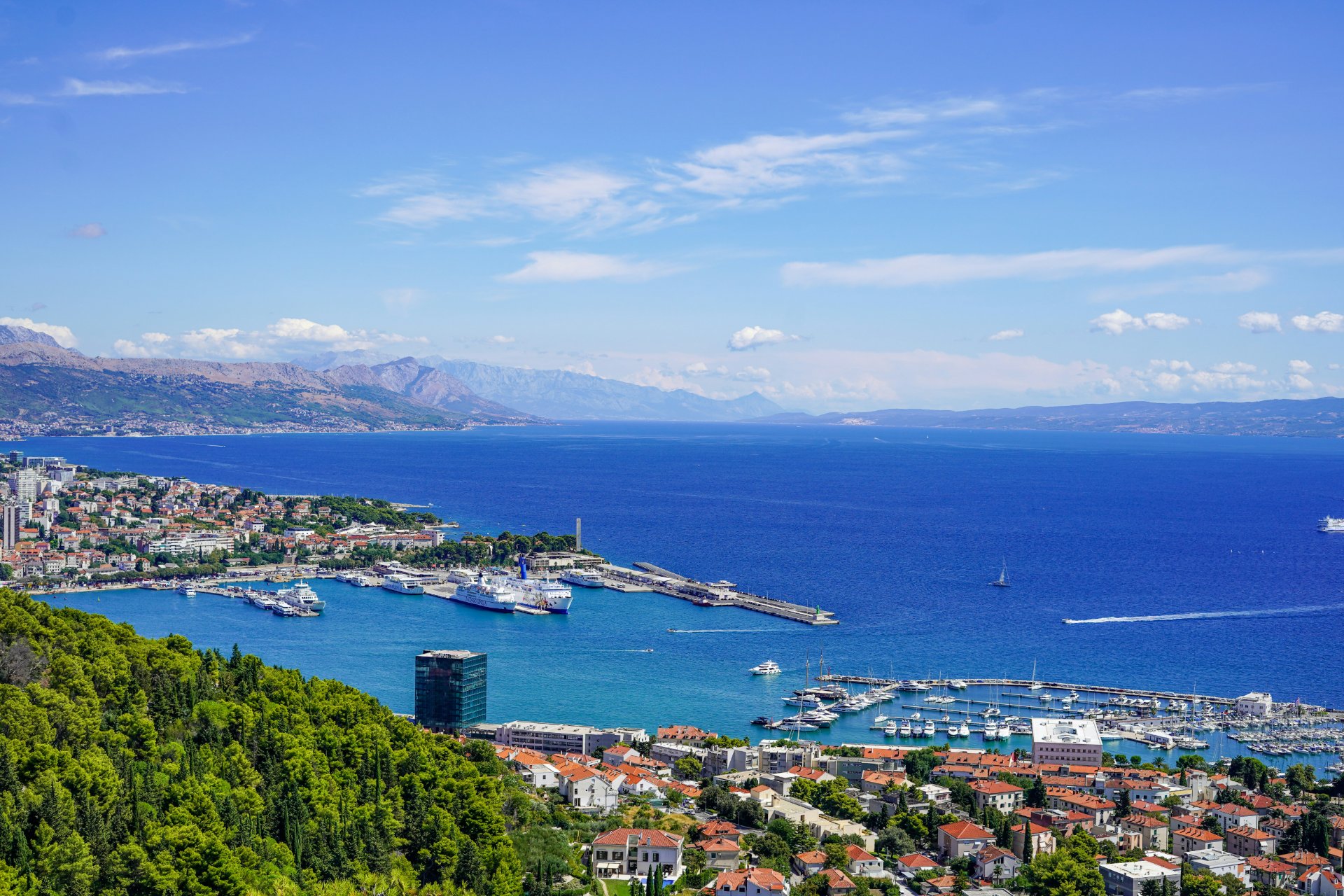
In April, the Dalmatian coast comes back to life, usually bringing beautiful spring weather for locals and visitors alike. With typical daytime highs of around 18–19 °C, it is a pleasant time for sightseeing, walking, and hiking. You will still need a jacket in the evenings, and changeable weather is not uncommon. At around 15 °C, the sea is still too cold for most people to enjoy longer swims.
For a vacation in Dalmatia, April is particularly well suited to cultural activities and exploring the region on foot. Split, Trogir, and Stari Grad can be discovered at a relaxed pace. For sailing vacations, flexible planning and weatherproof clothing are more important than during the summer months. Many seasonal services on the smaller islands are not yet fully available, and in many places, particularly on the offshore islands, restaurants and traditional konobas are still closed.
Dalmatia in May
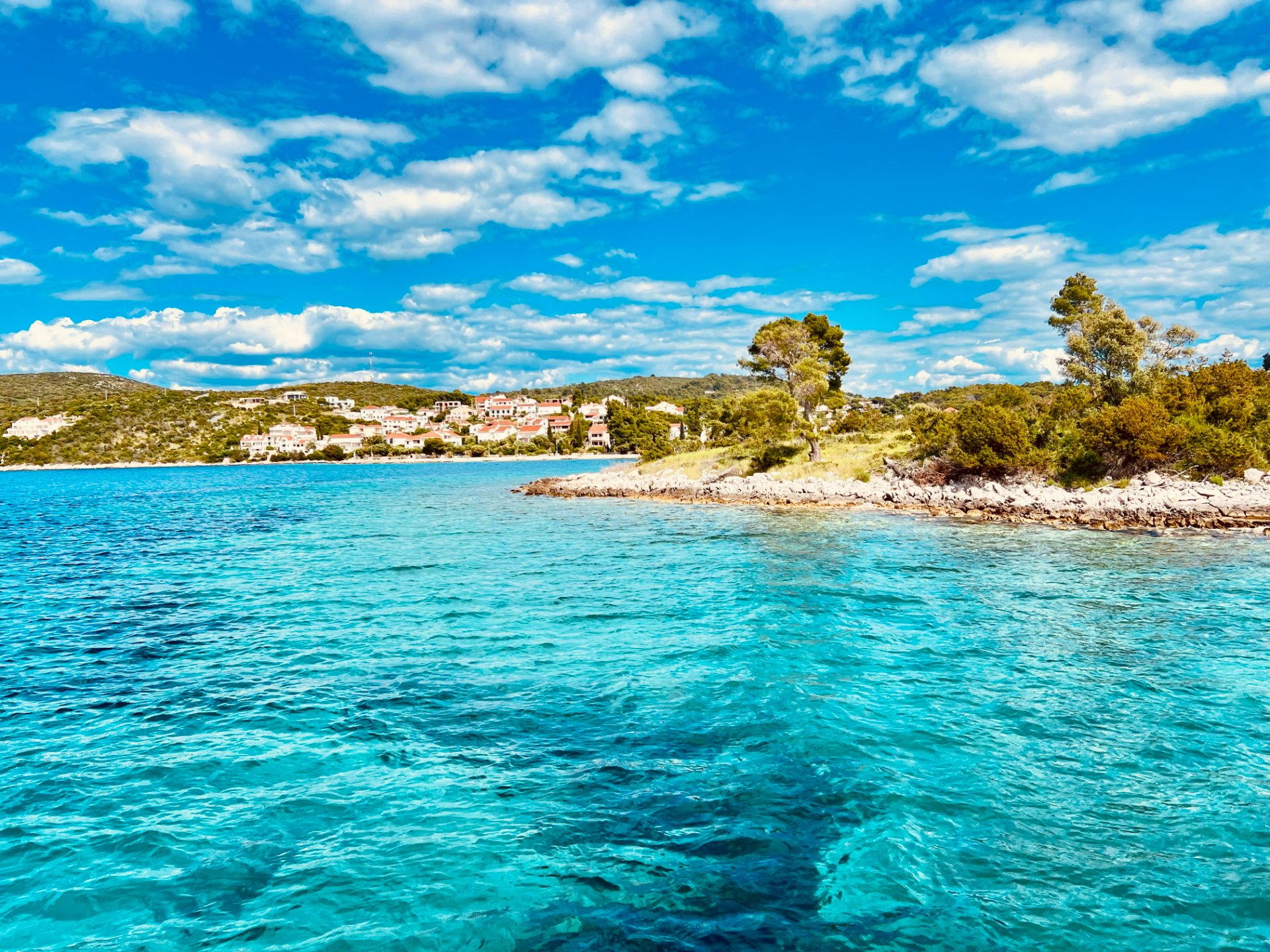
May is one of the most pleasant months for those who enjoy warm weather without the intense heat of summer. Daytime temperatures of around 23 °C and nighttime temperatures of about 15 °C provide good conditions for excursions, cycling, and hiking. The landscape is greener and fresher than in midsummer, and popular sights are generally less crowded. At this time of year, some people still use the heating on board at night.
The main difference compared with June is the sea temperature. At around 18 °C, the water is suitable for a quick, refreshing swim, but may still feel too cold for an extended beach and swimming holiday. Those who want to spend more time in the water may prefer to wear a wetsuit. Occasional rainy days and cooler spells are also possible.
For sailing in Dalmatia, May can be an attractive time to visit if swimming is not the main priority and the itinerary remains flexible enough to adapt to the weather. Harbors on the offshore islands are usually still pleasantly uncrowded at this time of year.
Dalmatia in June
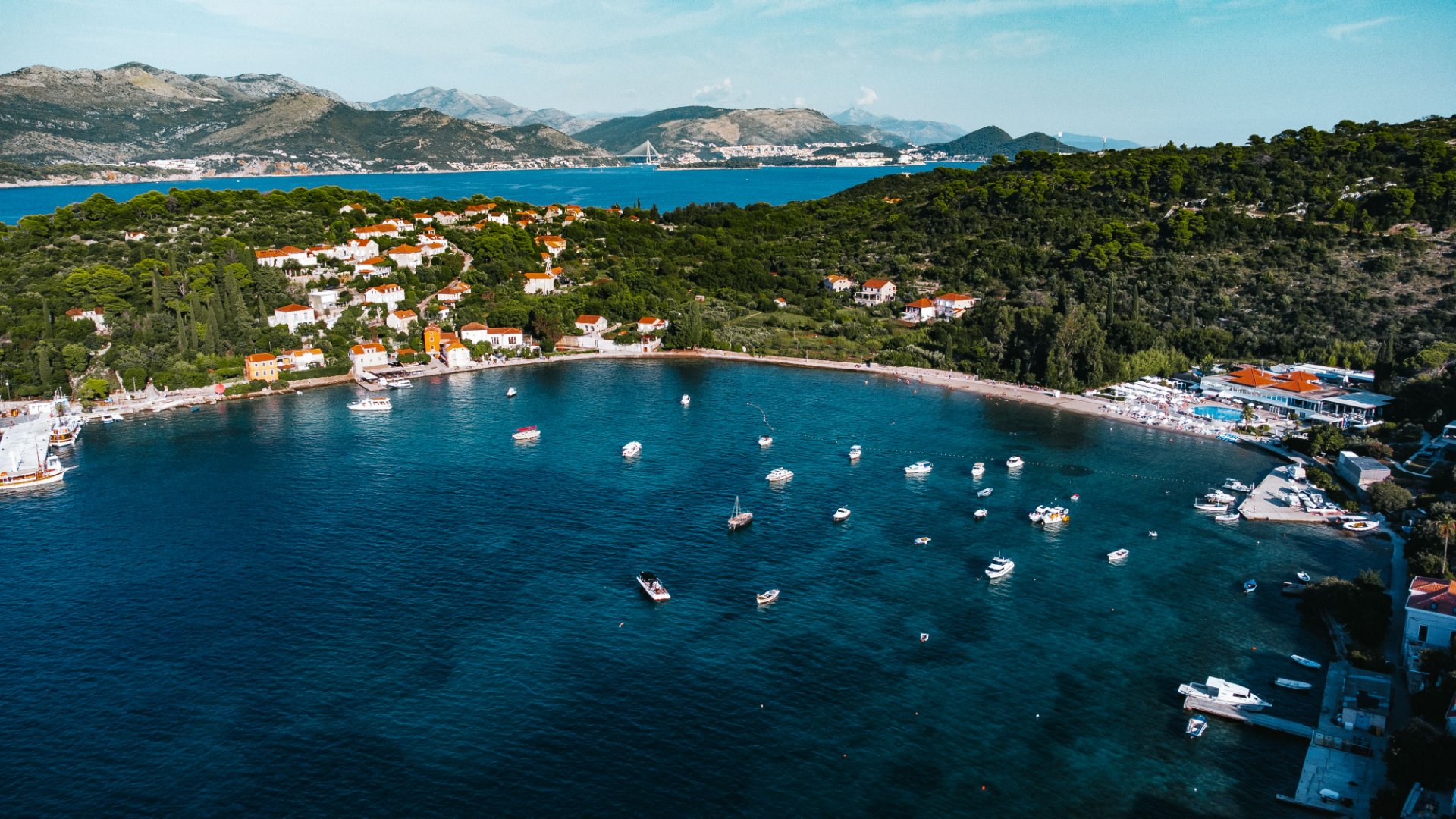
In June, summer arrives with beautiful weather: daytime highs of around 28 °C, long, bright evenings, and an Adriatic Sea temperature of around 22 °C create a versatile combination for a holiday. Many restaurants, excursion providers, and ferry services are operating, while visitor numbers before the European summer holidays are often still below the levels seen in July and August.
Compared with May, June is more pleasant for a beach and swimming holiday. The sea is several degrees warmer, and the weather is generally drier. At the same time, temperatures, demand, and visitor numbers increase noticeably as the month progresses. For many travelers, June is one of the best times to visit Croatia if they want a summer holiday while avoiding the height of the peak season.
Dalmatia in July
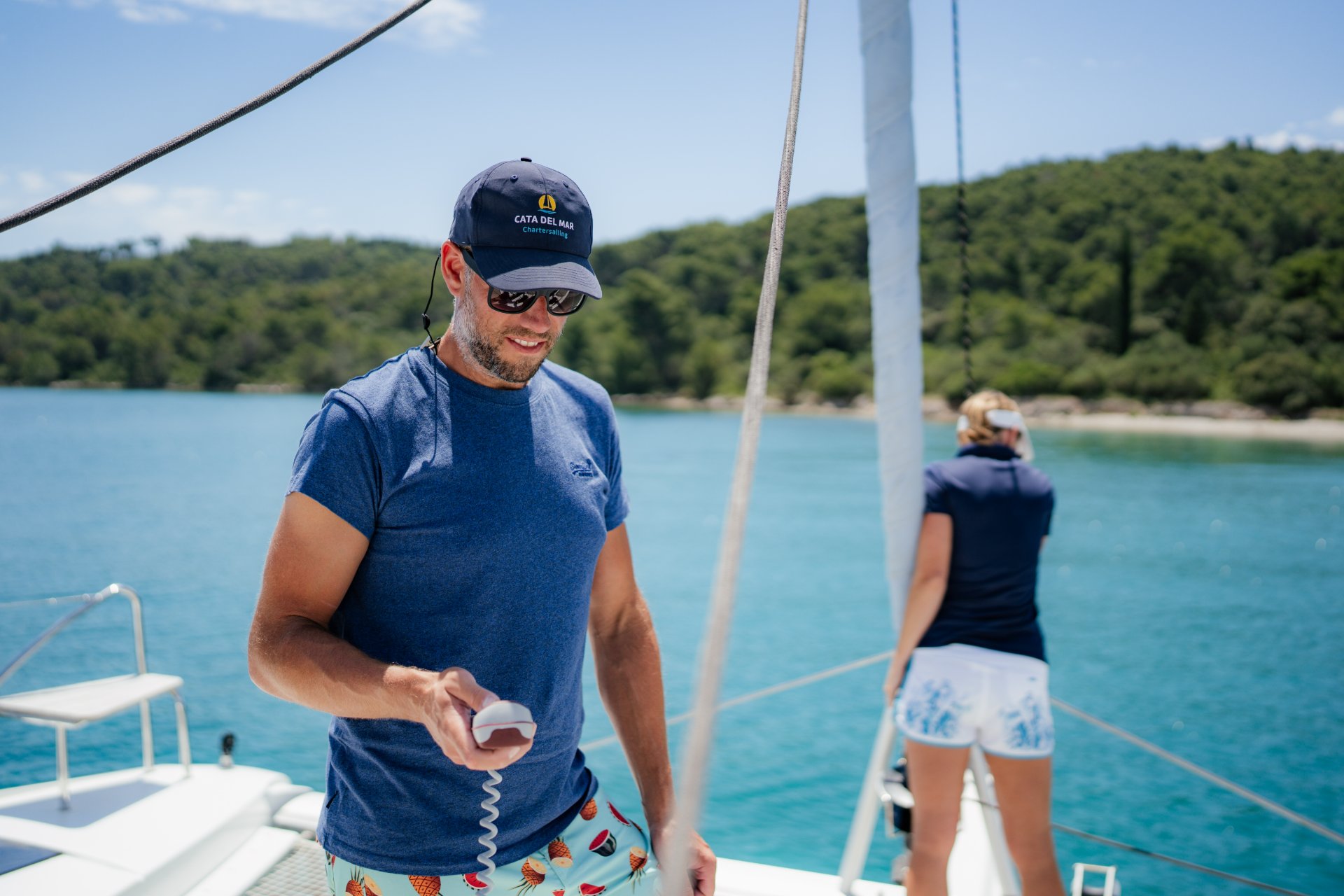
July is the height of summer, with daytime temperatures of around 30–35 °C, warm nights, very little rainfall according to long-term averages and sea temperatures of approximately 25 °C. Those looking for traditional beach holidays, long evenings and lively promenades will find favourable conditions at this time of year. Tourist services and connections to the islands are also particularly extensive.
At the same time, beaches, historic centres, marinas and popular harbour towns are busier. Activities are best planned for the morning or late afternoon, as the midday heat should not be underestimated when sightseeing. July can nevertheless be the right choice for families with school-age children, provided that accommodation and important connections are booked well in advance.
Dalmatia in August
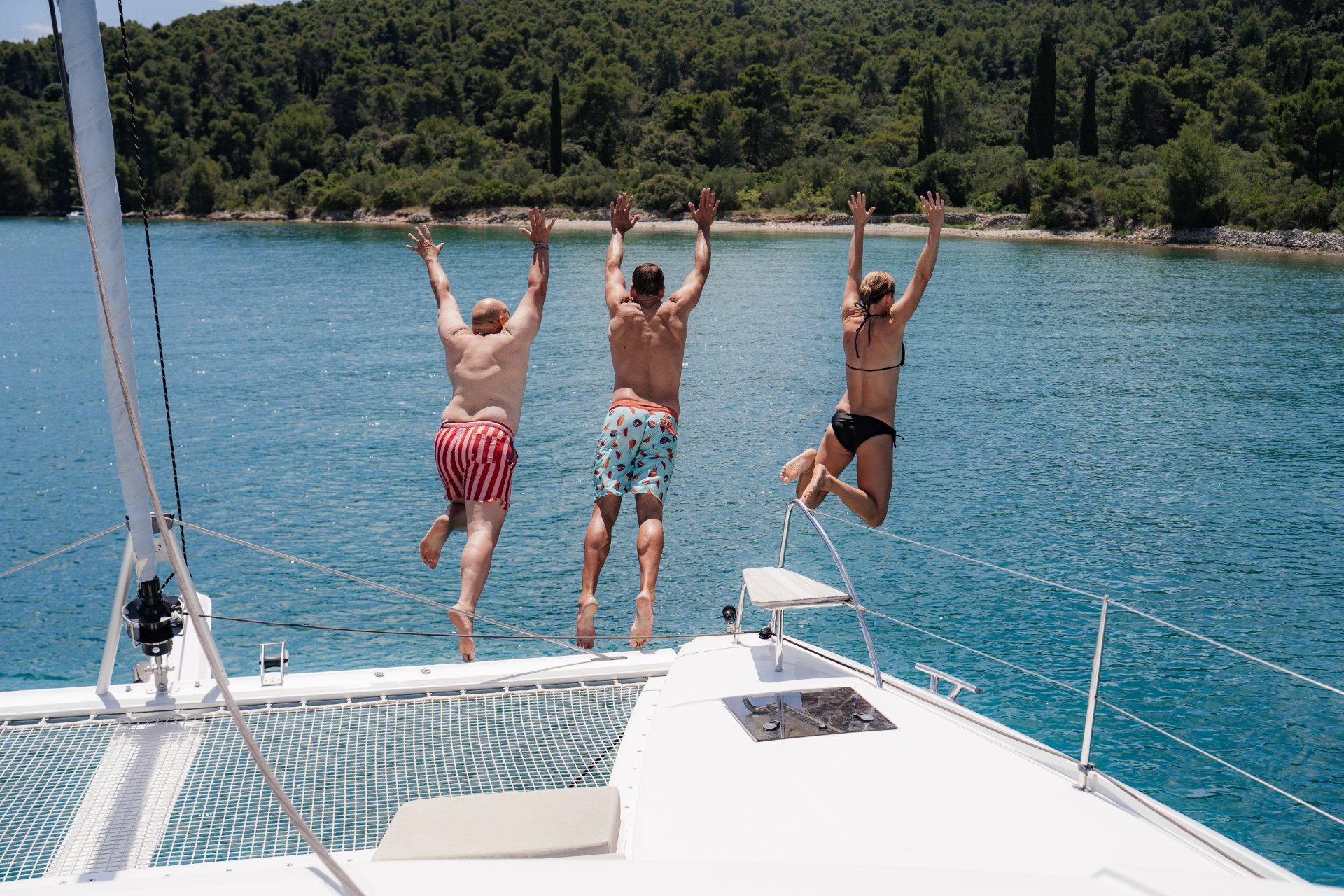
August is similar to July in terms of air and sea temperatures. By this time, the sea is particularly warm, while mild evenings make spending time outdoors enjoyable. These are compelling reasons for sunseekers and swimmers to visit. Harbour towns, island villages and events are at their liveliest.
August is part of the peak season. High demand, busy harbours, full restaurants, congested roads and hot weather are all part of the picture. Changes in the weather may gradually become more likely towards the end of the month, although summer is far from over. Those who enjoy a lively atmosphere and want the warmest possible sea need not avoid August, but they should choose it with these conditions in mind.
Dalmatia in September
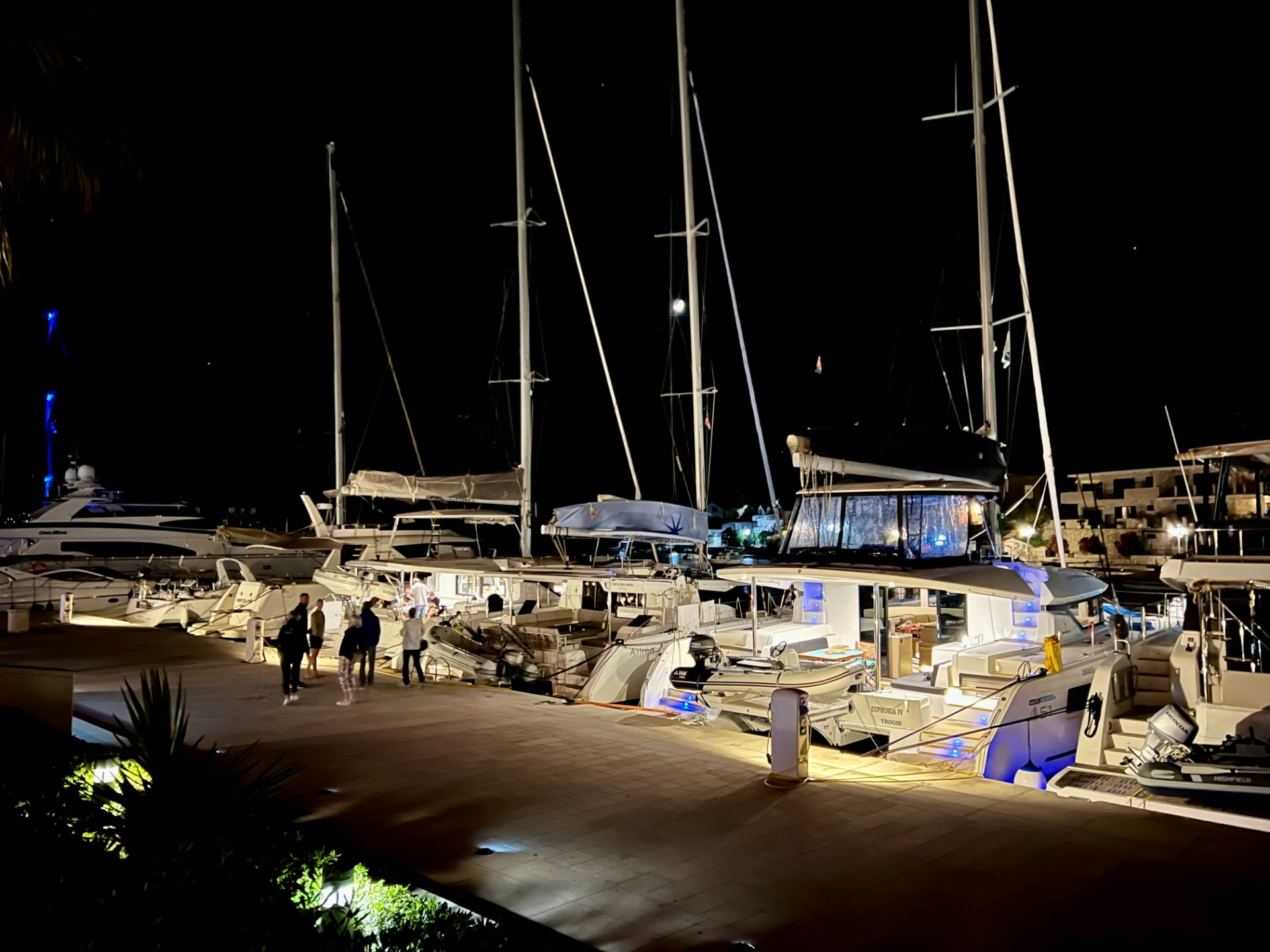
For many visitors, September offers the best compromise. Average daytime highs remain around 26 °C, the nights are more comfortable than in midsummer and the Adriatic retains much of the summer’s warmth, with sea temperatures of approximately 23 °C. The first half of the month is particularly well suited to swimming, island hopping and sailing in Croatia.
Compared with August, visitor numbers gradually decrease and harbours and historic streets become noticeably quieter. Compared with October, both the sea and the air remain considerably warmer, while seasonal tourist services are more widely available. However, average rainfall increases compared with the dry month of July, and individual thunderstorms or longer periods of unsettled weather remain possible. September is an attractive time to travel, but it does not guarantee a completely calm and settled summer week.
Dalmatia in October
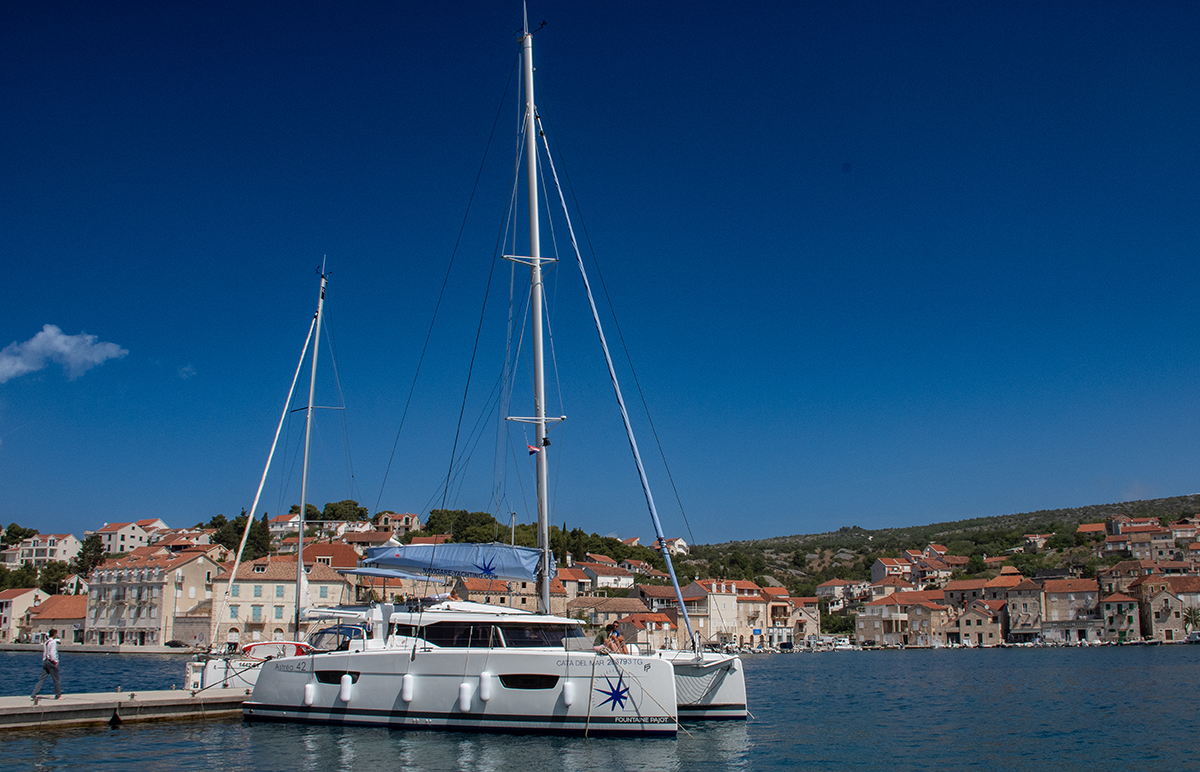
October can still be pleasantly mild. Daytime temperatures of around 20–21 °C are well suited to visiting Split and Trogir, hiking and discovering the region’s cuisine, as well as longer sailing passages north or south along the coast. The average sea temperature is approximately 20 °C. Whether this is still comfortable for swimming depends on personal preference.
The days become noticeably shorter in October, the evenings cooler and periods of unsettled weather more frequent. Seasonal restaurants, boat services and transport connections may already begin to reduce their schedules. Travellers looking for tranquillity and activities ashore can benefit from these quieter conditions. Those who want to swim every day and have the widest possible choice may occasionally need to adjust their plans. It is therefore advisable to check timetables and opening hours before booking.
Dalmatia in November
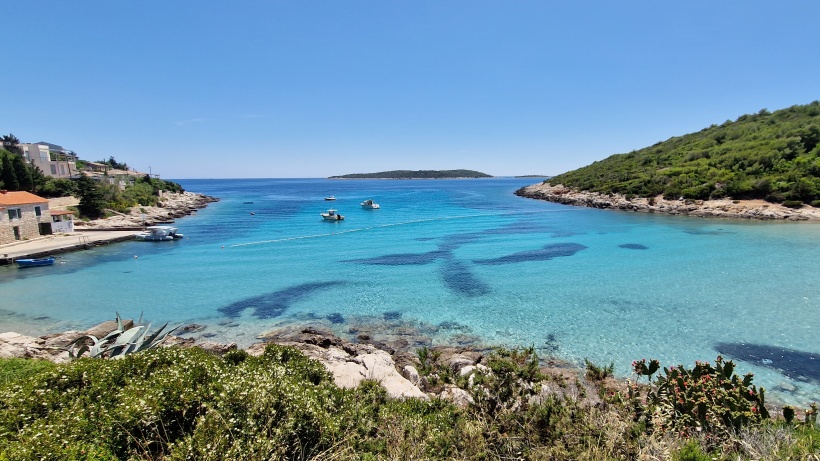
In November, Dalmatia reveals its quieter side. Typical daytime highs of around 15–16 °C are mild compared with Central Europe. However, with approximately 110 mm of rainfall, November is considerably wetter in Split according to long-term averages. Wind, rain and sunny intervals alternate, while the sea, at around 18 °C, is often warmer than the air.
November is not generally recommended for a traditional seaside holiday. However, it may appeal to travellers who want to experience the cities without their summer backdrop and are deliberately seeking a quieter atmosphere. Tourist services on the islands are significantly reduced. For regular sailing holidays, the month is only conditionally suitable because of the weather and shorter daylight hours.
Our Experience: Dalmatia from the Water
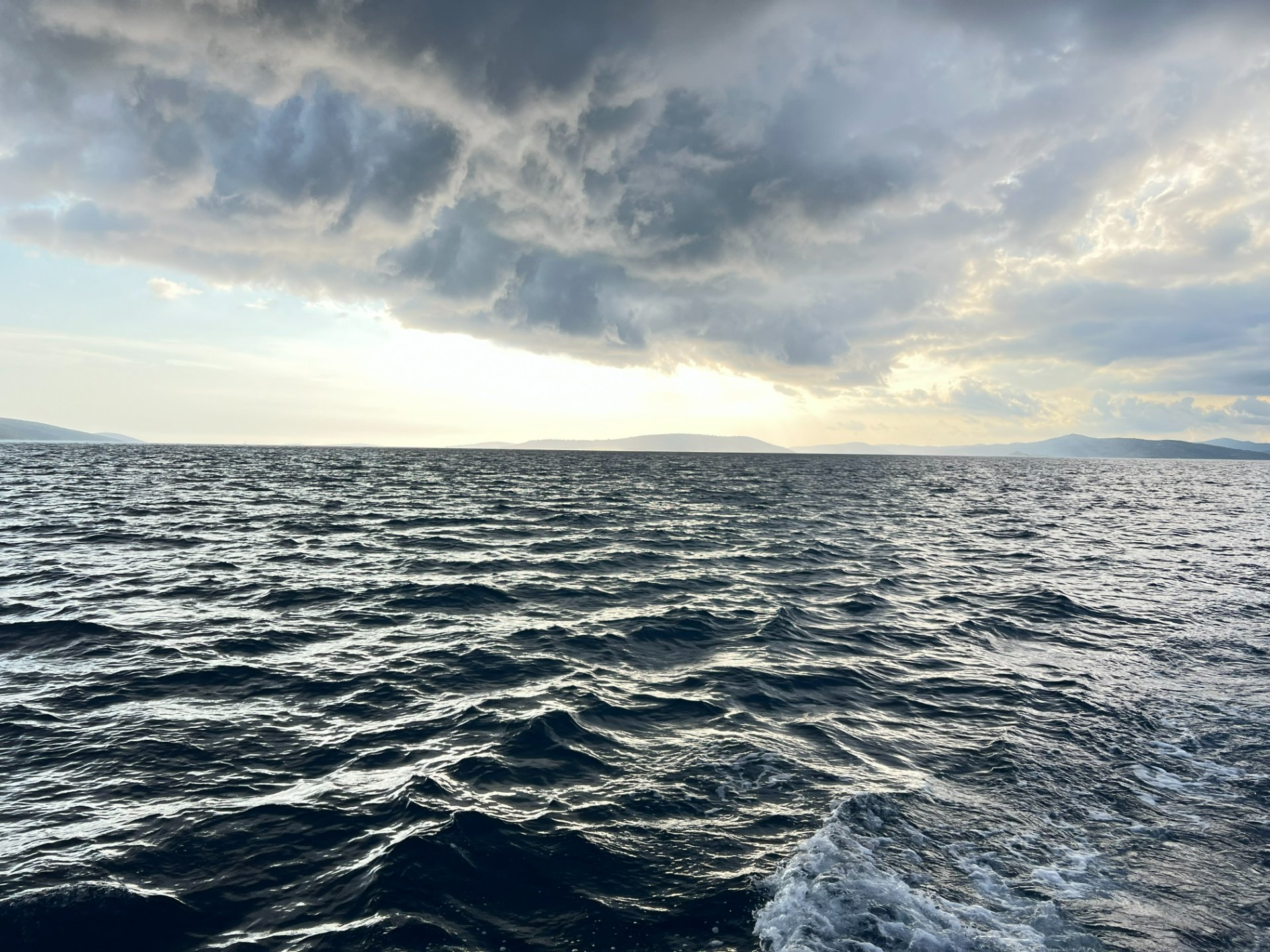
The same temperature feels different on the water than it does in a sheltered historic town. Wind has a cooling effect, sunlight is reflected by the surface of the sea and evenings in the cockpit can quickly feel cooler. In midsummer, however, a breeze often provides welcome relief. Daylight hours also influence the cruise: June allows more time for swimming stops and an unhurried arrival, while daily itineraries need to be planned earlier in October.
The season is also noticeable ashore. Hvar, Trogir and Maslinica are busy with visitors in July and August, while bays and harbour towns are considerably quieter during the shoulder seasons. Neither atmosphere is inherently better or worse; they simply offer different experiences.
July and August are not personally our preferred months for sailing. This is an individual assessment, however. Those who appreciate high temperatures, warm water and lively harbour towns may find precisely what they are looking for during these months.
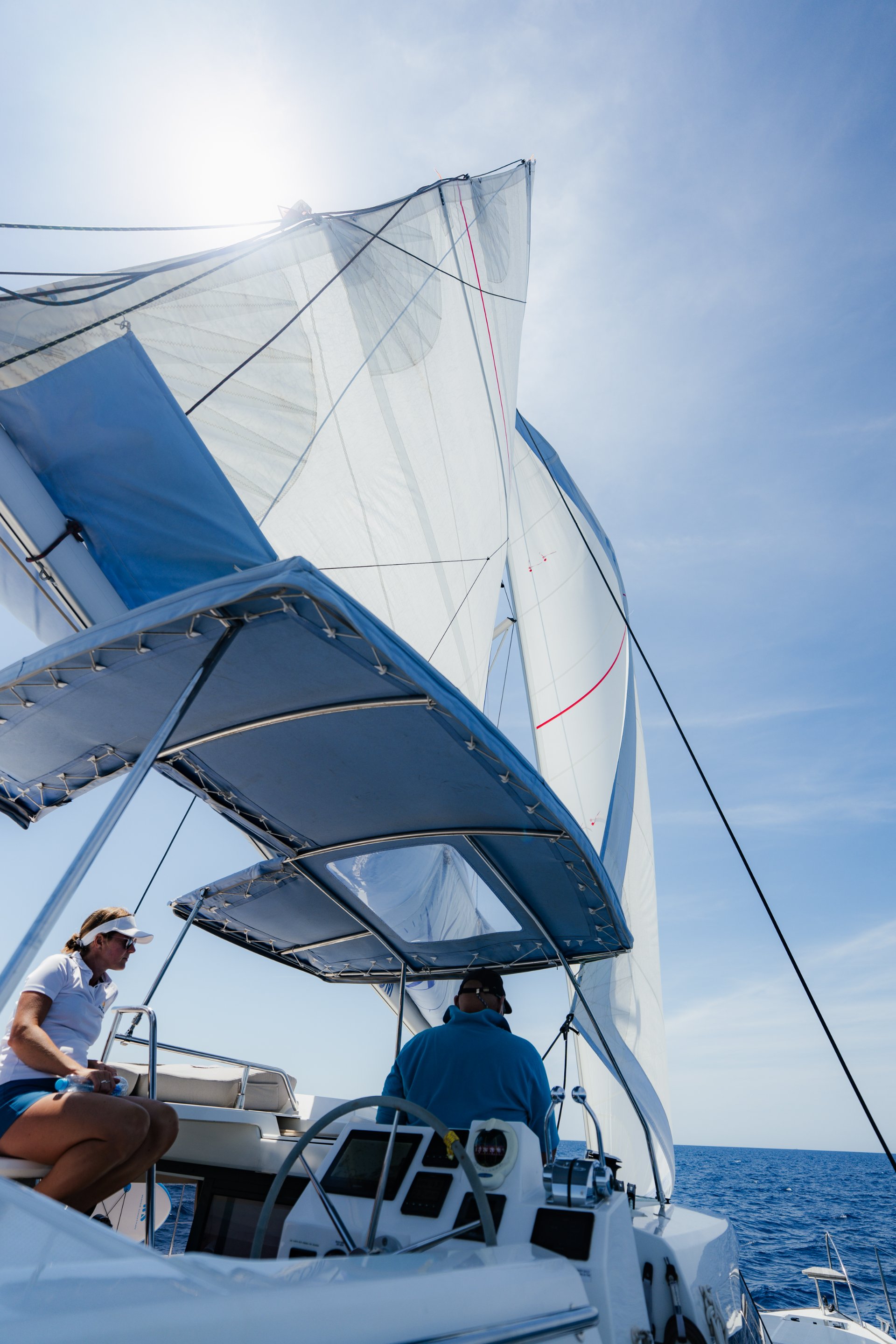
If you would like to experience this perspective, our report about seven days of sailing in Dalmatia provides a first-hand impression. More information about the yacht is available on the page introducing the Lagoon 47 MANAIA.
The Most Important Winds of the Adriatic
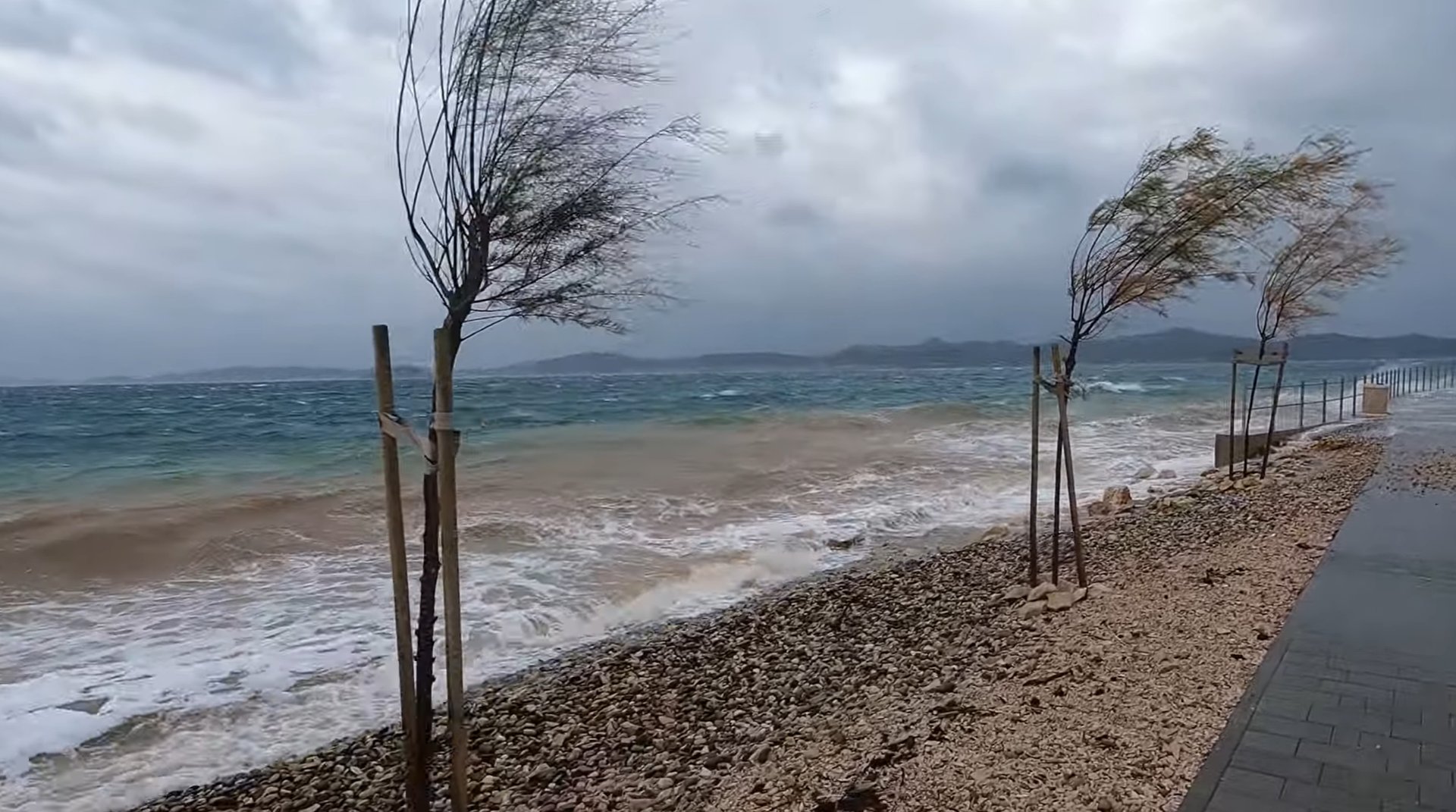
Different wind systems shape conditions on the water along the Croatian Adriatic coast. They can create pleasant sailing conditions, but at greater strengths they may also require adjustments to the route or the day’s programme. The best-known winds include the Maestral, Bora and Jugo.
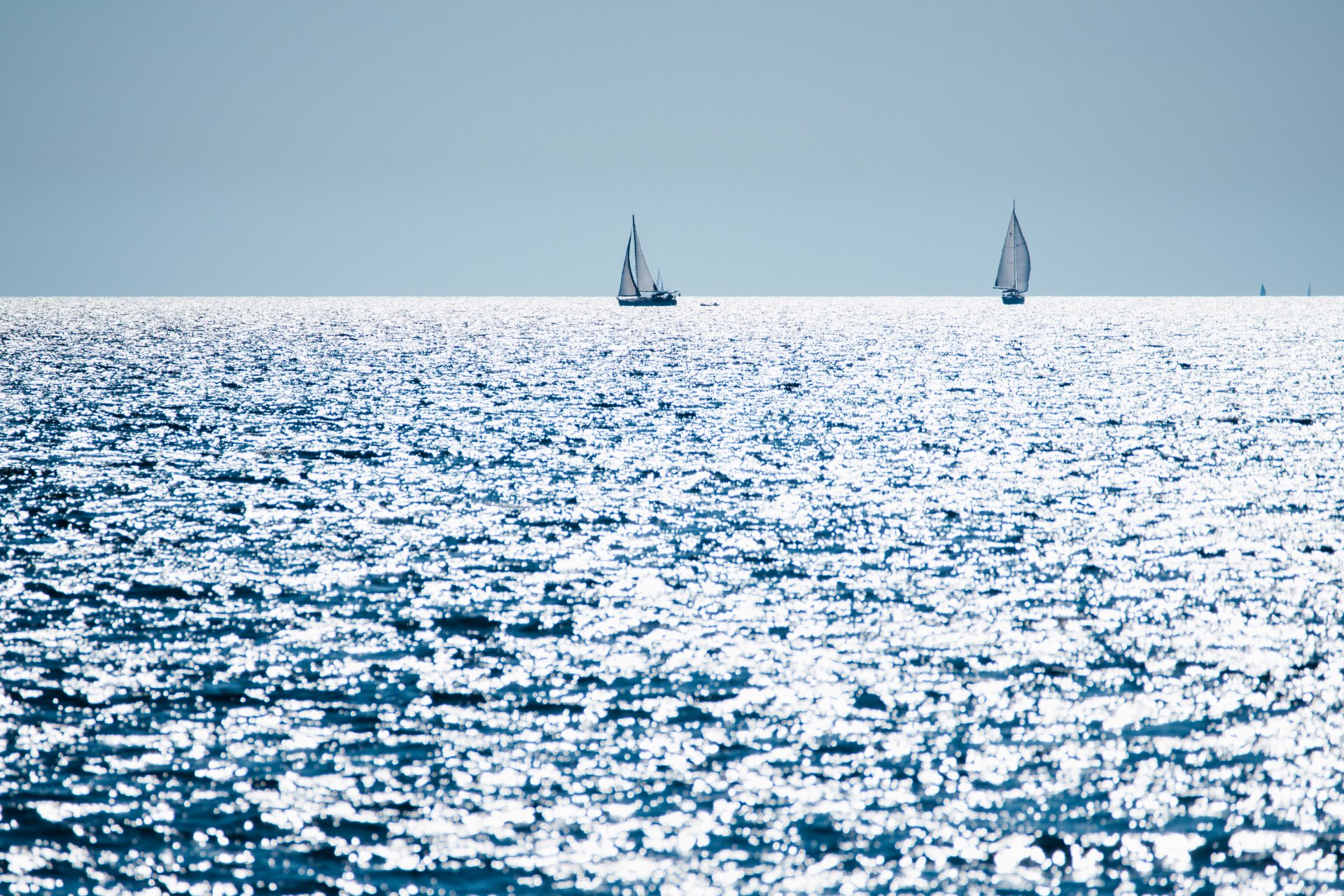
The Maestral is a typical thermally driven summer wind that generally blows from a north-westerly direction. It often develops during the day and can make hot afternoons more comfortable. Sailors associate it with many pleasant summer days on the water, although its actual strength depends on the location and prevailing weather conditions.
The Bora, known as Bura in Croatian, blows from northerly to north-easterly directions. It can be highly gusty and reach high wind speeds locally. It can be particularly pronounced in downslope wind areas along the mainland coast and below the coastal mountain ranges. Islands, the shape of the coastline and local funnelling effects influence its strength and direction. Bora conditions can also occur during summer and require careful assessment of the current weather situation. The marine forecasts and warnings issued by the Croatian Meteorological and Hydrological Service, DHMZ, are therefore particularly important when planning a sailing itinerary. Sailors also have a rule of thumb: if the deck is dry early in the morning, it is advisable to keep an eye on the Velebit mountain range throughout the day and check the weather forecast regularly.
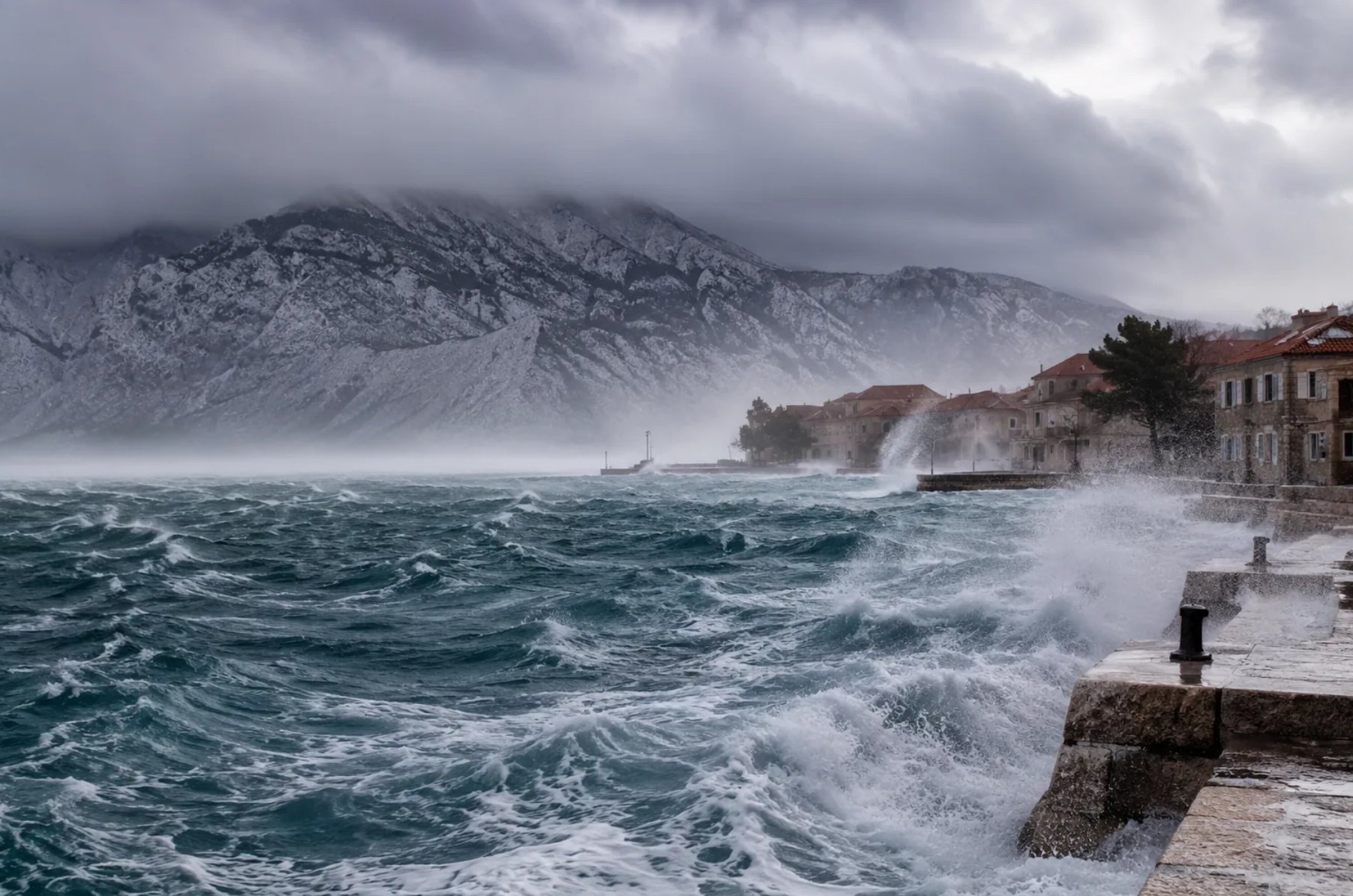
The Jugo frequently blows from a south-easterly direction along the Croatian coast. It can bring moist air, persist for an extended period and build a pronounced sea state. It is often accompanied by increased cloud cover and rainfall. Its effect on the day’s itinerary depends on its strength, the sea state, the planned route and the comfort of the guests.
None of these winds can be reliably predicted simply from the month in which you travel. For any specific sailing day, current weather forecasts and official warnings are what matter. We therefore always check the forecasts and warnings issued by the Croatian Meteorological and Hydrological Service (DHMZ) when planning our route.
Which Time of Year Suits Whom?
For Beach Holidays
July and August offer the warmest sea and generally the most settled summer conditions. Those who prefer fewer visitors may wish to choose the first half of September.
For Families
June to early September is particularly suitable when swimming is an important part of the holiday. July and August coincide with school holidays and offer the widest range of seasonal services, but they are also hotter and busier.
For Sightseeing and Active Holidays
April, May and October offer more comfortable temperatures. Rainwear and a flexible daily schedule are advisable in April and October.
For Fewer Crowds
May, June, September and October are interesting alternatives to the peak season. However, “quiet” is relative: Split, Trogir and particularly well-known island towns remain popular outside the busiest weeks.
For Sailing Holidays
June and September combine long, or still reasonably long, daylight hours with suitable sea temperatures for swimming and generally less peak-season activity. July and August are well suited to crews who appreciate warm weather and lively coastal towns. More information about our personally guided sailing concept is available on the Private Charter page.
For Warm Sea Outside the Peak Season
September is the clearest recommendation. The sea retains the warmth accumulated during the summer, while air temperatures and visitor numbers usually begin to decrease.
Our Conclusion: There Is No Single Best Month
For a traditional beach holiday, we would choose July or August. May is more comfortable for sightseeing and outdoor activities. Those looking to combine warm sea temperatures, sailing and fewer peak-season visitors will find a particularly attractive balance in June and September. October can be a good option for flexible travellers, but it is not an equivalent substitute for a summer swimming holiday.
This is precisely what makes Dalmatia so appealing: each month offers a different experience. Travellers who choose their dates according to their own priorities are likely to make a better decision than those who simply book the hottest month. If you would like to experience the islands not only from the coast but also from the water, you can find out more about our sailing holidays in Croatia.